

Treasure Island
Robert Louis StevensonAn old seaman arrives at the Admiral Benbow inn, dragging a sea-chest behind him, and orders rum.
"Fifteen men on the dead man's chest—Yo-ho-ho, and a bottle of rum!"
The black spot and the map
Jim Hawkins, the innkeeper's son, tells the story himself. Billy Bones sings his song, drinks heavily and waits in fear of a seafaring man with one leg. Then visitors come, and one of them delivers the black spot. When the chest is opened Jim finds, among the coins and the old papers, a map: an island, a cross in red ink, and the notes of a pirate called Captain Flint.
The Hispaniola sails from Bristol
Squire Trelawney and Dr Livesey fit out a schooner and hire a crew through a friendly one-legged cook named Long John Silver, who keeps a parrot on his shoulder. Captain Smollett distrusts the men and says so. Jim, hidden in an apple barrel, overhears something that changes his voyage, and the island itself, with its marshes, its stockade and a marooned man named Ben Gunn, has more in store.
From a drawn map
Robert Louis Stevenson began the book in 1881 at Braemar in the Scottish Highlands, drawing the island for his stepson Lloyd Osbourne and then writing a chapter a day. It first appeared in the magazine Young Folks as The Sea Cook, and as a book in London in 1883. The map, the parrot and the one-legged sea cook are all in it, and a good deal of what readers picture when they think of pirates traces back to these pages.
Details
- Author
- Robert Louis Stevenson (1850–1894)
- Genre
- Adventure novel
- First published
- 1883, London
- Original language
- English
- Period
- 19th Century
- Shelves
- Literature, Novels
- Language
- English
- Format
- A5 (148 × 210 mm)
- Paper
- Cream, 90 gsm
- Binding
- Perfect bound
- Cover
- Softcover, matte finish
- ISBN
- 978-2-38795-661-3
- EAN
- 9782387956613
- Publisher
- Rémanence Library
Readers' reviews
Robert Louis Stevenson
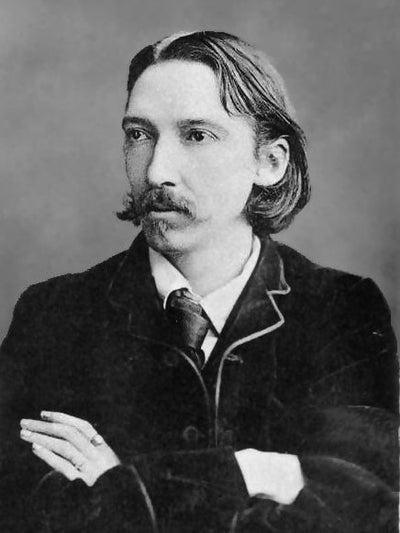
1850–1894
Scottish
Robert Louis Stevenson drew the map of Treasure Island to amuse his stepson on a wet holiday in the Scottish Highlands in 1881, and the story grew from it. Born in Edinburgh in 1850 into a family of lighthouse engineers, he gave up engineering, qualified at the bar, and then turned to writing, his health always fragile.


