

The Wind in the Willows
Kenneth GrahameIt is spring, and Mole drops his brush, climbs a tunnel towards the daylight and comes out beside a river.
"The Mole had been working very hard all the morning, spring-cleaning his little home."
Messing about in boats
On the bank Mole meets Rat, who lives beside the water and has opinions about it. He takes Mole out in his boat, packs a luncheon basket and delivers the line that has outlived the rest of the book: "There is nothing—absolute nothing—half so much worth doing as simply messing about in boats." The river becomes Mole's new neighbourhood, with its ducks and its otters.
Toad of Toad Hall
Mr Toad is rich, vain and enthusiastic, and each craze lasts until the next one arrives. The caravan is followed by the motor-car, and the motor-car by the police, and Badger, who lives in the middle of the Wild Wood and has little patience for foolishness, resolves that something must be done. The rest is a chase through the English countryside and a long reckoning at Toad Hall.
Bedtime stories for a boy
Kenneth Grahame, then Secretary of the Bank of England, first told these adventures to his son Alastair, and later wrote more of them in letters to him while he was away. Methuen published the book in London in 1908. Between its comic chapters comes one of unexpected stillness, "The Piper at the Gates of Dawn", and another, "Dulce Domum", about the pull of home. It is a book to read aloud, and to return to as an adult.
Details
- Author
- Kenneth Grahame (1859–1932)
- Genre
- Children's novel
- First published
- 1908, London
- Original language
- English
- Period
- Early 20th Century
- Shelves
- Literature, Novels
- Language
- English
- Format
- A5 (148 × 210 mm)
- Paper
- Cream, 90 gsm
- Binding
- Perfect bound
- Cover
- Softcover, matte finish
- ISBN
- 978-2-38795-673-6
- EAN
- 9782387956736
- Publisher
- Rémanence Library
Readers' reviews
Kenneth Grahame
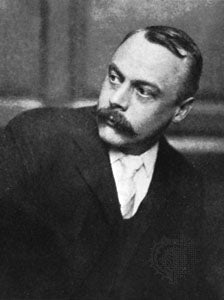
1859–1932
Scottish
Kenneth Grahame invented The Wind in the Willows as a series of bedtime stories and letters for his young son, Alastair. Born in Edinburgh in 1859, he was brought up largely by his grandmother in Berkshire after his mother's death, and spent a happy childhood by the Thames. Money prevented him from going to Oxford, and in 1879 he joined the Bank of England.


