

Beau Geste
P.C. WrenA sapphire called the Blue Water vanishes from an English country house, and the three brothers who loved it best are suddenly in the Sahara wearing the képi of the French Foreign Legion.
The stone that vanished
At Brandon Abbas, the home of their aunt, Lady Brandon, the orphaned Geste brothers have grown up together, sworn to stand by one another. When the famous jewel disappears, Michael, known to everyone as Beau, leaves a note taking the guilt upon himself and goes. His brothers Digby and John follow him to the Legion, and the question the book keeps open is why a man would take the blame for a crime.
Fort Zinderneuf
- Sergeant Lejaune, a drill-master who delights in cruelty;
- the heat, the thirst and the long marches of the desert posts;
- and a small fort in the sand, besieged by Tuareg riders, where the answers wait.
An English code of honour in the desert
Percival Christopher Wren (1875–1941), who claimed to have served in the Legion himself, published Beau Geste in London in 1924. It sold in great numbers and led to the sequels Beau Sabreur (1926) and Beau Ideal (1928), and to several films, including the 1939 version with Gary Cooper. The novel is a mystery, a war story and a tribute to loyalty between brothers, told at a pace that does not slow.
Details
- Author
- P.C. Wren (1875–1941)
- Genre
- Adventure novel
- First published
- 1924, London
- Original language
- English
- Period
- Early 20th Century
- Shelves
- Literature, Novels
- Language
- English
- Format
- A5 (148 × 210 mm)
- Paper
- Cream, 90 gsm
- Binding
- Perfect bound
- Cover
- Softcover, matte finish
- ISBN
- 978-2-38795-871-6
- EAN
- 9782387958716
- Publisher
- Rémanence Library
Readers' reviews
P.C. Wren
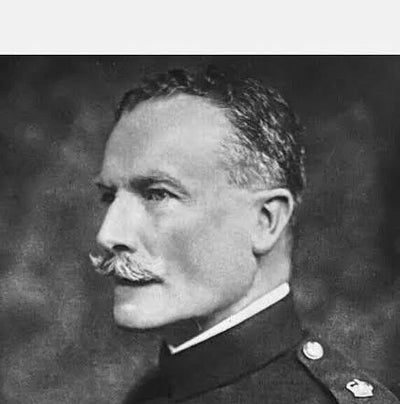
1875–1941
English
Beau Geste made P. C. Wren famous at the age of forty-nine. Percival Christopher Wren, born in Deptford in 1875, studied at Oxford, then spent years in India, where he worked in education and served in the Indian Army.


