

Clarissa – Volume II
Samuel Richardson"Dear Miss Howe" and "Dear Belford": the same events, written in the same weeks, tell two opposite stories.
Letters that must be smuggled
Confined to her room, Clarissa Harlowe is watched, scolded and threatened with a marriage to Mr Solmes. Her letters to Anna Howe have to be got out of the house in secret, and the replies brought back the same way. Robert Lovelace writes to her too, with a sympathy that seems the more welcome the lonelier she becomes. Richardson lets the reader watch both sides of the exchange and know what neither correspondent can.
Four voices
- Clarissa, whose conscience weighs every word before she writes it;
- Anna Howe, quick and outspoken, who advises her friend to resist;
- Lovelace, wit and strategist, whose letters to John Belford are the liveliest in the book;
- and the Harlowes, who have decided what is best for her and will not listen.
London, 1747
Samuel Richardson published Clarissa, or the History of a Young Lady in London in 1747 and 1748. Few novels are as long, and few of any length make a reader so aware of the cost of a single decision taken in a hurry. It rewards patience: every letter is placed to alter the next, and nothing in it is idle.
Details
- Author
- Samuel Richardson (1689–1761)
- Genre
- Epistolary novel
- First published
- 1747–1748, London
- Original language
- English
- Literary movement
- Sentimentalism
- Period
- 18th Century
- Shelves
- Literature, Novels
- Volume
- II
- Language
- English
- Format
- A5 (148 × 210 mm)
- Paper
- Cream, 90 gsm
- Binding
- Perfect bound
- Cover
- Softcover, matte finish
- ISBN
- 979-10-453-1149-7
- EAN
- 9791045311497
- Publisher
- Rémanence Library
Readers' reviews
Samuel Richardson
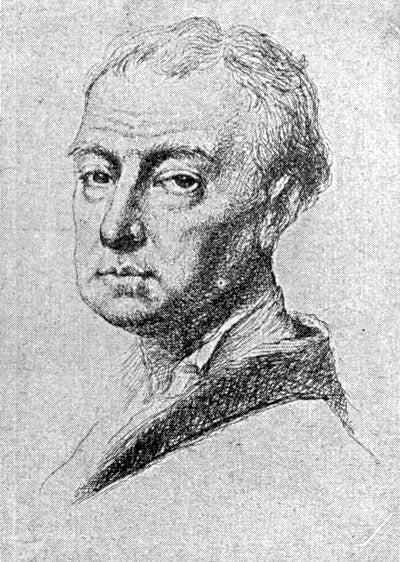
1689–1761
English
Samuel Richardson came to fiction late. Born in 1689 and a London tradesman by profession, he was in his fifties when he was asked to write a model book of letters for readers of modest means, and the exercise turned into a story told entirely in letters. Pamela; or, Virtue Rewarded (1740) follows a servant girl who resists her master's advances, and it was an immediate success, as well as an object of parody.


