

Clarissa – Volume III
Samuel RichardsonRobert Lovelace writes to his friend that he means to test the virtue of the woman he says he loves, and then sets out to do it.
A rake with a pen
Lovelace is the most dangerous kind of villain, because he is entertaining. He is learned, quick and candid in his letters to John Belford, and he describes his own schemes as a game of skill. Clarissa Harlowe, cut off from her family and dependent on his protection, has no one else to turn to. He puts off the wedding he has offered, and settles her in lodgings in London kept by a Mrs Sinclair, whose house is not what it seems.
Two ways of reading a letter
What makes the book hard to put down is its method. Richardson gives each character a pen and lets the same scene be reported twice, once by the person who suffers it and once by the person who arranged it. Clarissa reads Lovelace's courtesy as it appears; the reader, who has seen his letters, cannot.
Richardson in London
Clarissa, or the History of a Young Lady appeared in London in 1747 and 1748, and its readers wrote to the author begging him to change the course of the story. It stands among the longest novels in English, and among the most exact about how a person can be hemmed in without ever being touched.
Details
- Author
- Samuel Richardson (1689–1761)
- Genre
- Epistolary novel
- First published
- 1747–1748, London
- Original language
- English
- Literary movement
- Sentimentalism
- Period
- 18th Century
- Shelves
- Literature, Novels
- Volume
- III
- Language
- English
- Format
- A5 (148 × 210 mm)
- Paper
- Cream, 90 gsm
- Binding
- Perfect bound
- Cover
- Softcover, matte finish
- ISBN
- 979-10-453-1150-3
- EAN
- 9791045311503
- Publisher
- Rémanence Library
Readers' reviews
Samuel Richardson
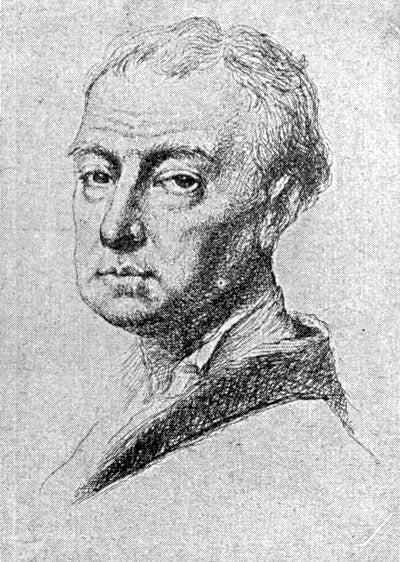
1689–1761
English
Samuel Richardson came to fiction late. Born in 1689 and a London tradesman by profession, he was in his fifties when he was asked to write a model book of letters for readers of modest means, and the exercise turned into a story told entirely in letters. Pamela; or, Virtue Rewarded (1740) follows a servant girl who resists her master's advances, and it was an immediate success, as well as an object of parody.


