

Clarissa – Volume IV
Samuel Richardson"I am but a cipher, to give him significance, and myself pain!"
A lodging in London
Clarissa Harlowe writes these words about her position in the house of Mrs Sinclair, where she is surrounded by people in Lovelace's pay and has not a servant she can trust. Her family will not forgive her. Her friend Anna Howe writes anxiously from the country. Lovelace multiplies his promises and his stratagems, and describes them with delight to John Belford, whose replies grow gradually more uneasy.
The argument of a short word
Samuel Richardson built the novel on one small word, no. Clarissa says it to her brother, to Mr Solmes, to Lovelace, and the book asks what that word is worth when everyone around her has an interest in not hearing it. It does not hurry to an answer. Nearly a million words long, it takes time over a gesture, a delay, a reply held back for a day.
Published in 1747 and 1748
First issued in London as Clarissa, or the History of a Young Lady, it was read in its day as moral instruction and as a nerve-racking story, and was admired across Europe. Readers still come to it for the letters themselves: the voices, the dates and hours, the flashes of humour in the darkest rooms.
Details
- Author
- Samuel Richardson (1689–1761)
- Genre
- Epistolary novel
- First published
- 1747–1748, London
- Original language
- English
- Literary movement
- Sentimentalism
- Period
- 18th Century
- Shelves
- Literature, Novels
- Volume
- IV
- Language
- English
- Format
- A5 (148 × 210 mm)
- Paper
- Cream, 90 gsm
- Binding
- Perfect bound
- Cover
- Softcover, matte finish
- ISBN
- 979-10-453-1151-0
- EAN
- 9791045311510
- Publisher
- Rémanence Library
Readers' reviews
Samuel Richardson
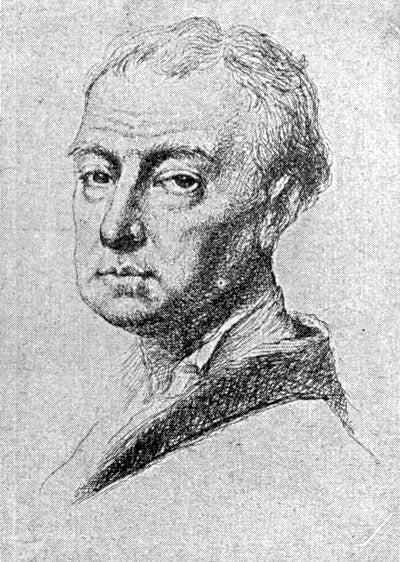
1689–1761
English
Samuel Richardson came to fiction late. Born in 1689 and a London tradesman by profession, he was in his fifties when he was asked to write a model book of letters for readers of modest means, and the exercise turned into a story told entirely in letters. Pamela; or, Virtue Rewarded (1740) follows a servant girl who resists her master's advances, and it was an immediate success, as well as an object of parody.


