

Peter Pan
J.M. BarrieThree children fly out of a London nursery window, and the way to Neverland, they are told, is "second to the right, and straight on till morning".
All children, except one, grow up.
A shadow, a dog and a boy at the window
Mrs Darling finds a strange boy in the nursery at night, and when Nana, the family's dog and nursemaid, shuts the window he escapes, leaving his shadow behind. Mrs Darling rolls it up and puts it in a drawer. Peter Pan comes back for it, Wendy sews it on, and Peter, who has never had a mother, asks her to come to Neverland and tell stories to the Lost Boys. John and Michael follow her out of the window.
The island and its inhabitants
- Tinker Bell, a fairy who is quick to take offence;
- the Lost Boys, who live in a house underground;
- mermaids in the lagoon, and Tiger Lily's tribe in the woods;
- and Captain Hook, whose hand was taken by a crocodile that has been following him ever since.
From the stage to the page
J. M. Barrie's play opened in London on 27 December 1904, and he turned it into a novel, Peter and Wendy, which appeared in 1911. The adventures are lively enough to thrill a child; the sadness underneath, about leaving home and growing out of play, is for the grown-up who reads aloud.
Details
- Author
- J.M. Barrie (1860–1937)
- Genre
- Fantasy novel
- First published
- 1911, London
- Original language
- English
- Period
- Early 20th Century
- Shelves
- Literature, Tales & Fables
- Language
- English
- Format
- A5 (148 × 210 mm)
- Paper
- Cream, 90 gsm
- Binding
- Perfect bound
- Cover
- Softcover, matte finish
- ISBN
- 978-2-38795-665-1
- EAN
- 9782387956651
- Publisher
- Rémanence Library
Readers' reviews
J.M. Barrie
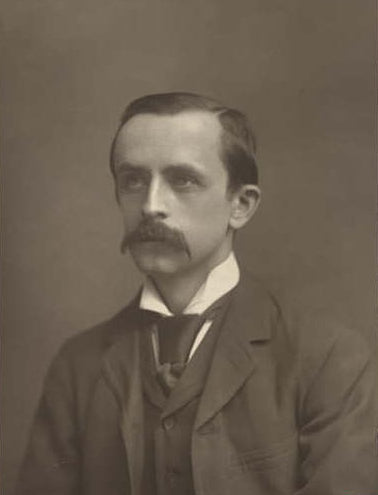
1860–1937
Scottish
James Matthew Barrie gave away the rights to his most famous play: in 1929 he presented Peter Pan to Great Ormond Street Hospital in London. Born in 1860 at Kirriemuir in Angus, Scotland, he studied at Edinburgh and came to London as a journalist.


